About Denvido

We specialize in solving waterproofing problems for building communities and developers in Chile.

How We Work

Most waterproofing companies rely on visual inspection and experience to locate leaks. We use thermal imaging technology that shows exactly where water enters the structure, even when the entry point is hidden or far from where leaks appear inside.

This approach means we can target repairs precisely, removing only damaged sections rather than guessing and potentially missing the actual problem. It also means we can document what we find and show building administrators exactly what needs to be fixed.

After repairs, we conduct watertight testing and provide written documentation of the results. This isn't just good practice—it gives building communities the proof they need that the problem has been solved properly.
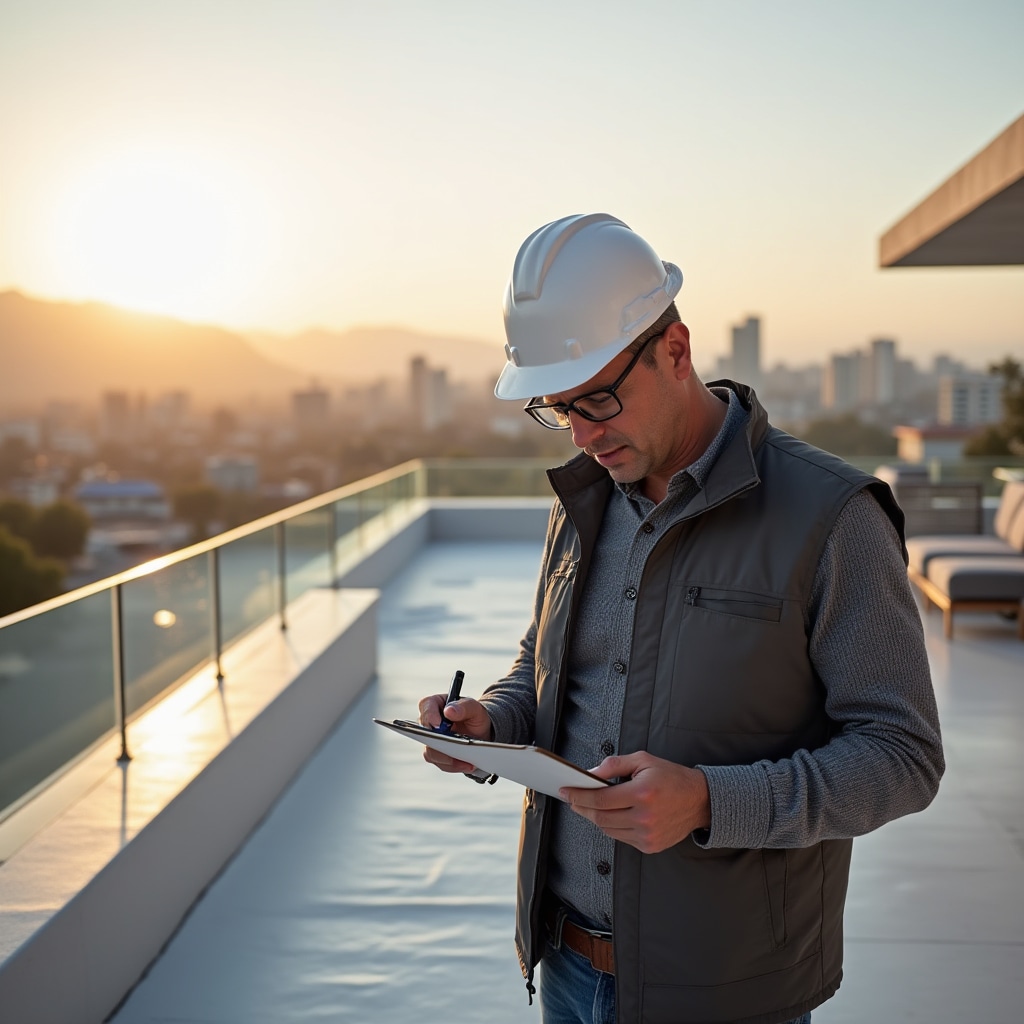
Professional inspection of building terrace waterproofing system showing detailed examination
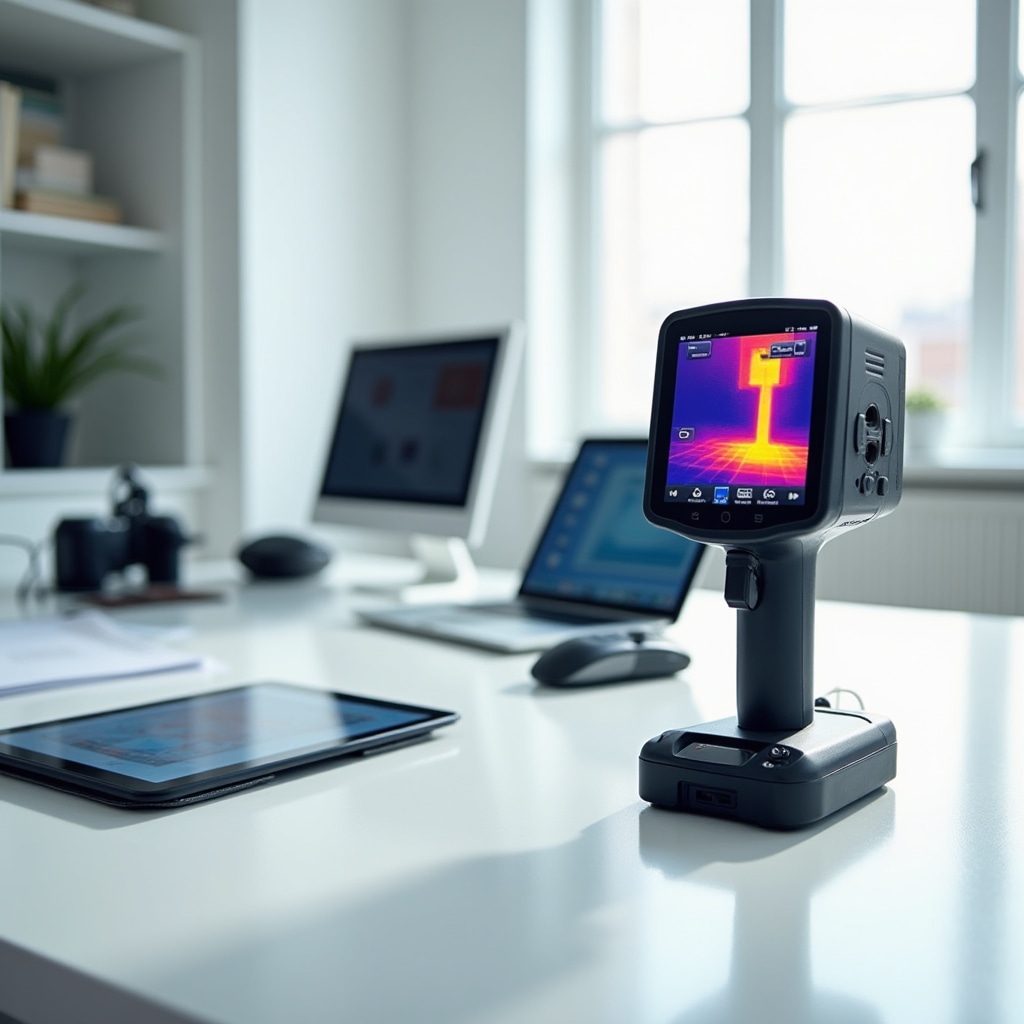
Professional thermal imaging camera equipment used for waterproofing diagnostics

Our Equipment

We use professional-grade thermal imaging cameras that detect temperature differences caused by moisture penetration. These cameras reveal patterns invisible to the naked eye, allowing us to see exactly where water moves through building materials.

Our membrane application equipment ensures proper installation according to manufacturer specifications. We don't cut corners on materials or application methods because we know that proper installation determines how long the waterproofing system will last.

For testing, we use calibrated pressure equipment that verifies watertight integrity. These tests are documented with photos and written reports that become part of the permanent record for the building.

Building Communities

We work with condominium associations and building administrators who need to resolve resident complaints about water infiltration. Our approach minimizes disruption while ensuring thorough repairs.

Developers

For developers handling post-sale warranty claims, we provide the technical documentation needed to demonstrate that repairs meet standards and include appropriate warranties.

Documentation

Every project includes complete documentation: thermal images, repair scope, materials used, test results, and warranty information. This creates a permanent record for building files.

Why Thermal Imaging Matters

Understanding the technology that makes our approach different.

The Problem with Visual Inspection

Traditional waterproofing inspection relies on looking for visible damage—cracks, bubbles, or worn areas in the membrane. But water often enters through small defects that aren't visible on the surface, then travels through the structure before appearing as leaks in apartments below.

This means repairs based only on visual inspection might address visible damage without finding the actual entry point. The leak continues, just from a different location.

What Thermal Imaging Shows

Infrared cameras detect temperature differences. Water-saturated materials have different thermal properties than dry materials, creating patterns visible in thermal images. We can see where moisture has penetrated, trace its path through the structure, and identify the exact entry point—even if it's not visibly damaged.

This technology doesn't guess. It shows us precisely where water enters so we can target repairs to the actual problem rather than symptoms.

Our Approach to Projects

How we handle waterproofing work in occupied buildings.

1

Understanding the Situation

We start by talking with building administrators and affected residents to understand the history of the problem. When do leaks occur? Where do they appear? What has been tried before?

2

Thermal Scanning

We scan affected areas with thermal imaging to locate moisture penetration patterns. This usually reveals the entry point and shows us the scope of water damage in the structure.

3

Written Proposal

We provide a detailed proposal that explains what we found, what needs to be done, and what it will cost. This includes thermal images, scope of work, timeline, materials to be used, and warranty details.

4

Coordinated Work

We coordinate with building administrators to schedule work that minimizes impact on residents. We communicate clearly about what will happen, how long it will take, and what residents should expect.

5

Testing and Documentation

After installation, we conduct watertight testing and document the results. We provide complete records including photos, test reports, and warranty documentation for building files.