Preventive Maintenance Plans

Regular inspections and early problem detection help avoid major waterproofing repairs.

Why Preventive Maintenance Matters

Most building waterproofing systems are installed during construction and then ignored until something goes wrong. By the time leaks appear inside apartments, water has usually been penetrating the structure for months or years, causing damage that could have been prevented.

Preventive maintenance catches problems early when they're small and inexpensive to fix. A minor crack in a membrane can be sealed easily if detected during routine inspection. If left unnoticed, that same crack allows water to penetrate, damage substrate materials, and eventually require complete membrane replacement.

For building communities, preventive maintenance means fewer emergency repairs, lower long-term costs, and happier residents who don't have to deal with water damage in their homes.

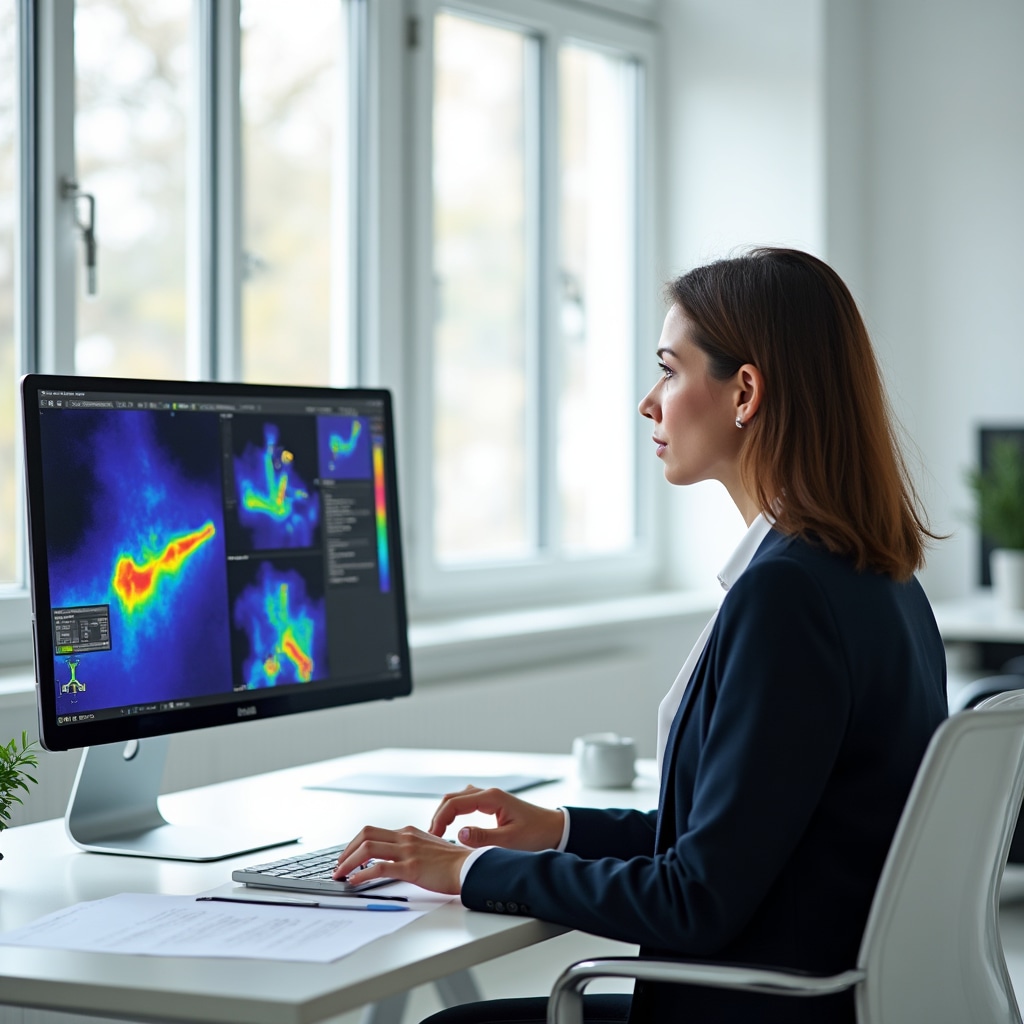
Regular preventive maintenance inspection of building waterproofing system

Available Maintenance Plans

Choose the inspection frequency that works for your building community.

Annual Inspection

One comprehensive thermal imaging inspection per year, typically scheduled before or after the rainy season. Includes written report with findings and recommendations.

  • Full thermal imaging scan
  • Visual condition assessment
  • Written report with photos
  • Repair recommendations
  • Priority rating for issues found

Bi-Annual Inspection

Two inspections per year—one before the rainy season and one after. Allows us to catch problems that develop during the year and verify that waterproofing systems survived the rainy period.

  • Pre-season preparation check
  • Post-season condition assessment
  • Thermal imaging both visits
  • Trend analysis over time
  • Detailed written reports

Quarterly Inspection

Four inspections per year provide the most comprehensive monitoring. Recommended for buildings with history of waterproofing problems or aging membrane systems approaching replacement.

  • Seasonal condition monitoring
  • Early problem detection
  • Quarterly thermal scans
  • Comprehensive trend tracking
  • Priority response for issues

What's Included in Inspections

Every maintenance inspection follows a thorough process.

1

Thermal Imaging Scan

We scan all waterproofed areas—terraces, roofs, balconies—with infrared cameras to detect any moisture penetration or developing problems invisible to visual inspection.

2

Visual Condition Assessment

We inspect membrane surfaces for visible signs of wear, damage, or deterioration. This includes checking seams, penetrations, drains, and areas where different materials meet.

3

Photo Documentation

We document conditions with photos, including thermal images showing any moisture patterns and regular photos of areas requiring attention.

4

Written Report

You receive a detailed written report explaining what we found, what it means, and what actions we recommend. Issues are rated by priority so you can plan repairs appropriately.

5

Trend Analysis

For ongoing maintenance plans, we track conditions over time to identify developing problems and predict when major maintenance or replacement will be needed.

Detailed maintenance inspection report with thermal imaging and recommendations

Understanding Inspection Reports

Our inspection reports are designed to be clear and actionable for building administrators who need to make decisions about maintenance budgets and priorities.

Priority Ratings

We rate issues by urgency: immediate attention needed, should be addressed soon, or monitor for now. This helps building communities allocate maintenance budgets effectively.

Cost Estimates

When we identify problems requiring repair, we provide rough cost estimates so you can plan budgets. Exact quotes require detailed evaluation, but estimates help with planning.

Thermal Images

Reports include thermal images showing moisture patterns. We explain what the images reveal and why it matters for the building's waterproofing system.

Trend Data

For buildings on ongoing maintenance plans, reports show how conditions change over time. This helps predict when major work will be needed and plan accordingly.

Benefits of Regular Maintenance

What building communities gain from preventive waterproofing maintenance.

Lower Long-Term Costs

Catching problems early when they're small and inexpensive to fix prevents major repairs later. A minor seal repair costs far less than replacing an entire membrane section.

Extended System Life

Regular maintenance and minor repairs extend the life of waterproofing systems. A well-maintained membrane can last significantly longer than one that's ignored until it fails.

Better Planning

Trend data from regular inspections helps building communities plan major maintenance and budget for eventual membrane replacement when it's actually needed.

Fewer Resident Complaints

Preventing leaks before they happen means residents don't experience water damage in their homes. This reduces complaints and maintains good relationships within the building community.

Documentation

Regular inspection reports create a documented history of building maintenance. This is valuable for property values, insurance purposes, and demonstrating responsible building management.

Predictable Scheduling

Planned maintenance happens on your schedule, not during emergencies. This allows better coordination with residents and avoids disruption during urgent repairs.