Especially on terraces, roofs, and balconies where the original membrane is ten years old and nobody ever checked it. We find the exact entry point with thermal imaging, remove damaged membranes, and apply new systems with written warranties.
Precise leak detection
Documented guarantee
Full documentation
In Chile, it doesn't rain much. But when it does, water finds every weakness in aging waterproofing systems. Terraces and balconies that were sealed a decade ago during construction now leak into living spaces below. Building communities receive complaints, developers face post-sale claims, and nobody wants to demolish half an apartment to find the source.
We approach this differently. Instead of guessing where water enters, we use thermal imaging to see exactly where moisture penetrates. We document everything, remove only what needs replacing, and install new membrane systems that come with written warranties and documented watertight testing.
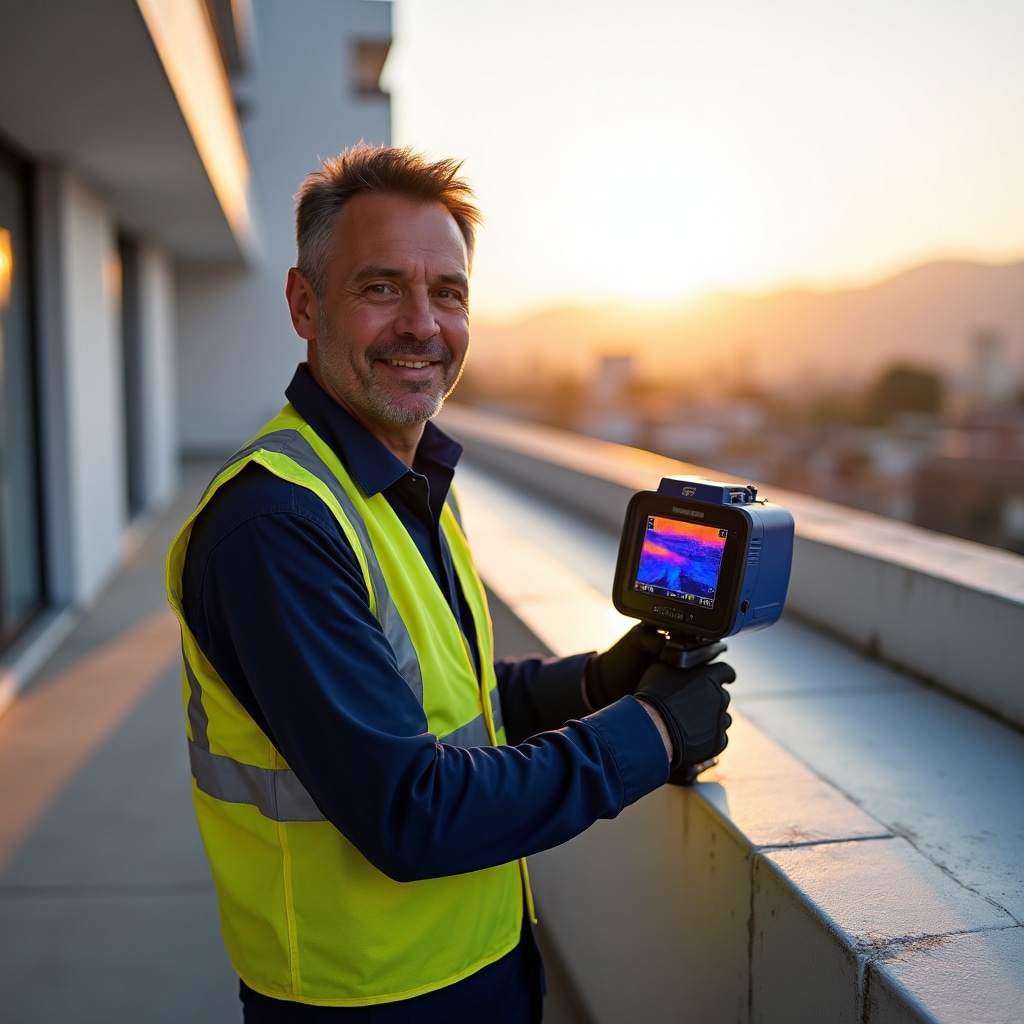
Thermal imaging reveals the exact entry point of water infiltration, eliminating guesswork and unnecessary demolition.
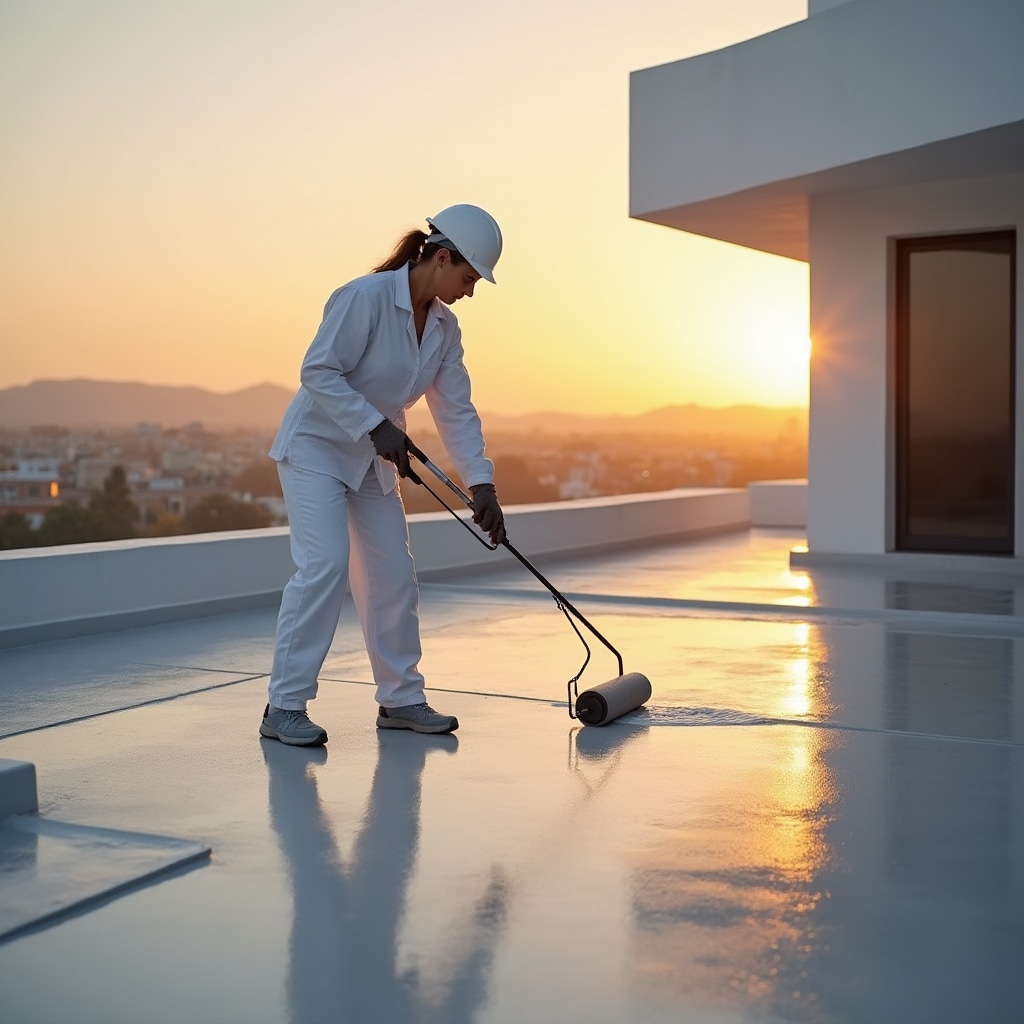
Our services focus on solving waterproofing problems in high-rise buildings without disrupting residents more than necessary.
We use infrared thermography to locate the exact point where water enters the structure. This technology shows us moisture patterns invisible to the naked eye, allowing us to target repairs precisely.
Once we identify damaged areas, we remove the compromised waterproofing membrane and prepare the surface. We then apply a new membrane system appropriate for the specific conditions and use patterns of the space.
After installation, we conduct watertight testing and document the results. You receive written reports showing that the waterproofing system performs as intended, along with a written warranty.
Our process is designed to minimize disruption while ensuring thorough, lasting repairs.
We visit the site to understand the scope of the leak problem and identify affected areas. This includes speaking with residents and reviewing any existing documentation about previous repairs.
Using infrared cameras, we scan terraces, roofs, and balconies to detect moisture penetration patterns. This shows us exactly where water enters, even if the entry point is far from where leaks appear inside.
We provide a written proposal that explains what we found, what needs to be done, and what it will cost. The proposal includes thermal images, scope of work, timeline, and warranty details.
Once approved, we schedule the work to minimize impact on residents. We remove damaged membrane sections, prepare surfaces properly, and install new waterproofing systems according to manufacturer specifications.
After installation cures, we perform watertight testing to verify the system works. We document everything with photos and written reports, then provide warranty documents for your records.
Most of our work involves building communities dealing with resident complaints about water infiltration. The original waterproofing was installed during construction and hasn't been inspected since. Now it's failing, and the community needs a solution that works without major disruption.
We understand the dynamics of working in occupied buildings. We coordinate with building administrators, communicate with affected residents, and schedule work to minimize inconvenience. Our goal is to solve the waterproofing problem efficiently while respecting that people live and work in these spaces.
For developers handling post-sale warranty claims, we provide the documentation needed to demonstrate that repairs meet technical standards and include appropriate warranties.
We've prepared some materials that explain common waterproofing concepts and what to look for when evaluating leak problems.
A guide explaining how infrared thermography detects moisture in building structures and why it's more accurate than visual inspection alone.
Learn MoreWhat building administrators should look for during routine inspections of terraces, roofs, and balconies to catch problems early.
View ChecklistAn overview of different waterproofing membrane types, their appropriate applications, and what to expect in terms of longevity and maintenance.
Read Guide